Osteoporosis vs. Bone Density Testing: What Every Woman Over 50 Should Know
Nov 10, 2026
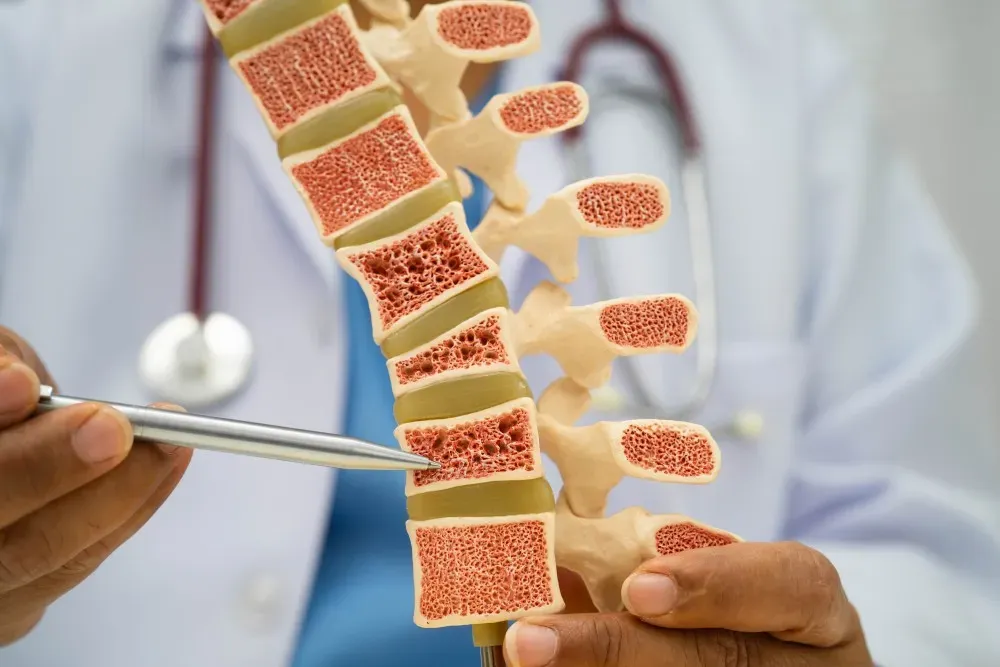
Osteoporosis is a disease of bone tissue where, over time, its density decreases and takes bone strength with it. Until you suffer a fracture due to increasing fragility, there are no noticeable signs you have osteoporosis.
In cross-section, bone looks like sponge toffee, and osteoporosis sees the voids within bone growing in size. Left unchecked, bones can crumble or snap under ordinary loads.
At Bridgewater Primary Care & Cardiology, LLC, in West Bridgewater, Massachusetts, we recommend bone density testing for women over 50 as part of their regular health monitoring. An assessment and diagnostic tool for osteoporosis, it’s the gold standard when it comes to recognizing the condition in time to take preventive steps for your future health.
Bone density is tied to aging and hormone levels in your body. With most women entering menopause in their 50s, it’s prime time for the changes that lead to bone density loss. Risk factors for osteoporosis include:
While women are more frequently diagnosed with osteoporosis, men can suffer from it as well, though generally, the risk is significantly lower.
A low-dose X-ray called dual-energy X-ray absorptiometry (DEXA or DXA) is the recommended device for measuring bone mineral density. It’s a simple, painless imaging process, like conventional X-rays.
Your results compare your current bone mineralization to that of a typical healthy young adult, called a T-score. A T-score of -1.0 or higher is normal.
If you have a score between -1.0 and -2.5, your bone density is lower than normal, but not low enough for an osteoporosis diagnosis. For that, your score will be lower than -2.5. We’ll interpret your T-score alongside your fracture risk and medical history for a comprehensive assessment of your bone health.
Women over 50 don’t require regular bone density testing unless they’ve had previous fractures that may be related to osteoporosis, or when they have several significant risk factors.
After age 65, though, testing may be a good idea based on age and any additional risk factors. We can discuss your history with you and recommend a personalized osteoporosis screening plan.
To reduce your chances of developing osteoporosis, consider strength training and weight-bearing exercise to stimulate bone regeneration. Eating a balanced diet is the best way to get the minerals and vitamins your body needs, though we may recommend supplements in some cases.
If you’re already experiencing an elevated risk of fractures, we could include medication in your treatment plan.
Bone loss from osteoporosis can occur without warning signs. Working with Dr. John Terzian and the staff at Bridgewater Primary Care & Cardiology, LLC, is the best way to maintain bone health as you get older.
Call or click to book an osteoporosis assessment with a bone density test today. We are conveniently located near Boston and proudly extend our services to communities throughout Norfolk, Plymouth, Bristol, and Providence counties, including Braintree, Canton, Stoughton, Westwood, Norwood, and Walpole.
Whether you're in Foxborough, Easton, Brockton, or Abington, we're just a short drive away. We also welcome clients from West Bridgewater, East Bridgewater, Bridgewater, and Middleborough, as well as Taunton, Norton, Mansfield, and Attleboro.
Our reach extends to Rehoboth, Somerset, Swansea, Fall River, Westport, Dartmouth, New Bedford, and even further to Wareham, Plymouth, and Pembroke. Rhode Island residents in Providence, East Providence, and Warwick can also rely on our services.